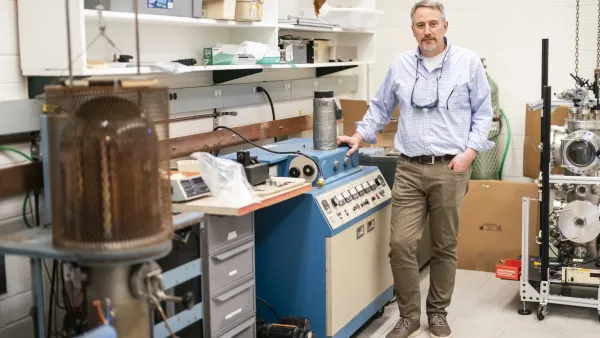
Scientists at Washington University and a St. Louis startup, Impossible Sensing, have received a $3 million grant from NASA to develop a new sensor for future missions to the moon.
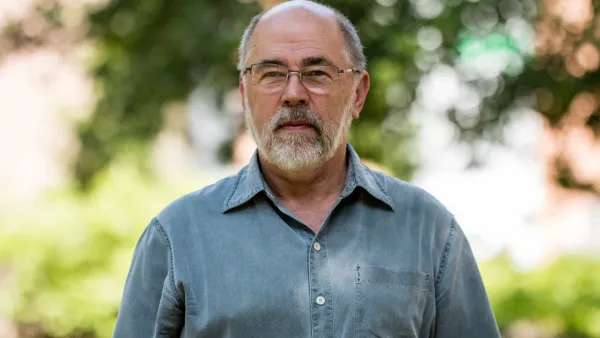
The sensor will be able to measure the chemistry and composition of rocks and soil, providing a better understanding of the moon’s geology, said Jeffrey Gillis-Davis, a research professor in Wash U’s physics department who is leading the development.
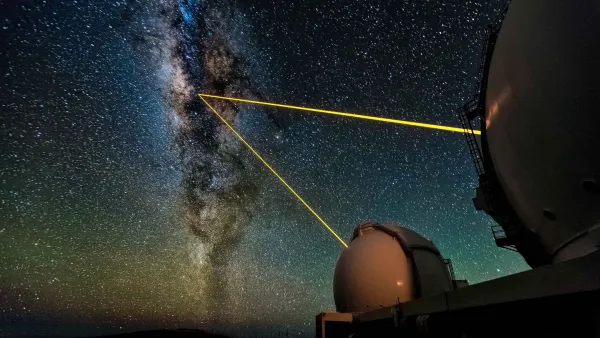
“It actually fires a laser that creates a little plasma,” he said. “So if you’re looking at it, you’d see a little blueish, grayish light, kind of like lightning.”