
Summer 2025

NASA's Perseverance rover has made an intriguing discovery—a rock with indications that it may have once harbored microbial life billions of years ago.

A team from WashU successfully launched the DR-TES mission from NASA’s balloon launch facility in Fort Sumner, New Mexico on Tuesday, to test quantum X-ray and gamma-ray detectors in a space-like environment.
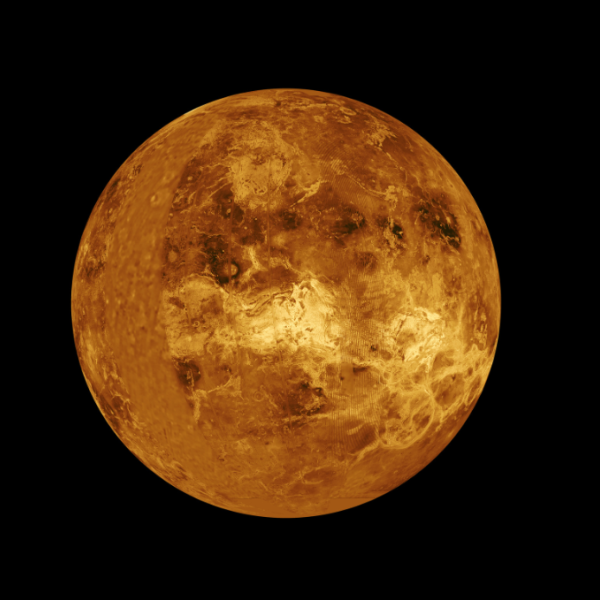

The air just begins to cool, and the tide of young voices rises. It is fall, paradoxically the season of renewal in academia. Here at the McDonnell Center for the Space Sciences, we just celebrated our first half century and then some. And what a time it has been. All of the planets and their principal satellites have been visited by spacecraft, and samples returned for laboratory analyses from the Moon, asteroids and comets. Great observatories have been lofted to orbit and beyond, revealing across many wavelengths a vast and perplexing universe. From the ground, infant protoplanetary systems have been detailed, and ripples in the very fabric of spacetime detected.
I could go on, but the point is that the past 50 years has been absolutely revolutionary for the space sciences (and science in general), and the work at the Center has been at the heart of much of it. Revolutions are often destabilizing, in science and in life, but there is much promise for revolutionary advances in the space sciences over the next 50 years as well. The study of extrasolar planets is just emerging from its cocoon, but with existing and planned telescopes, abetted by theoretical and laboratory advances, the prospects for astonishing discoveries are self-evident. And who knows, I will even make a prediction that this coming epoch will reveal for the first time an inhabited world beyond our own.
The McDonnell Center for the Space Sciences was founded on the premise that space exploration was a symbol of the 20th century, vital for our national prosperity, security, and well-being, and as the United States was determined to lead in this arena, Washington University and St. Louis would play important, key roles in this national and ultimately, international effort. But the ground beneath our feet is shifting. Perhaps the golden era of space exploration is drawing to a close, and being replaced by a more commercial and/or exploitive one. It is too early to tell, but even if, as is likely, boots will again disturb the lunar regolith, science will play a key role in such endeavors.
All of science in the United States, not just space science, faces a gathering storm as federal funding and research priorities are being reduced and reordered. The results will have world-historical consequences. I will have more to say about this in the future, especially as so much remains uncertain, but it seems clear to me that the McDonnell Center for the Space Sciences has an important (maybe even unique) role to play in preserving, protecting, and advancing, within an academic setting, this remarkable frontier of human achievement. Space exploration writ large is embedded now in the DNA of America and the world at large, and offers a vision of wisdom, hope, and transcendence for the future. To the next 50 years!
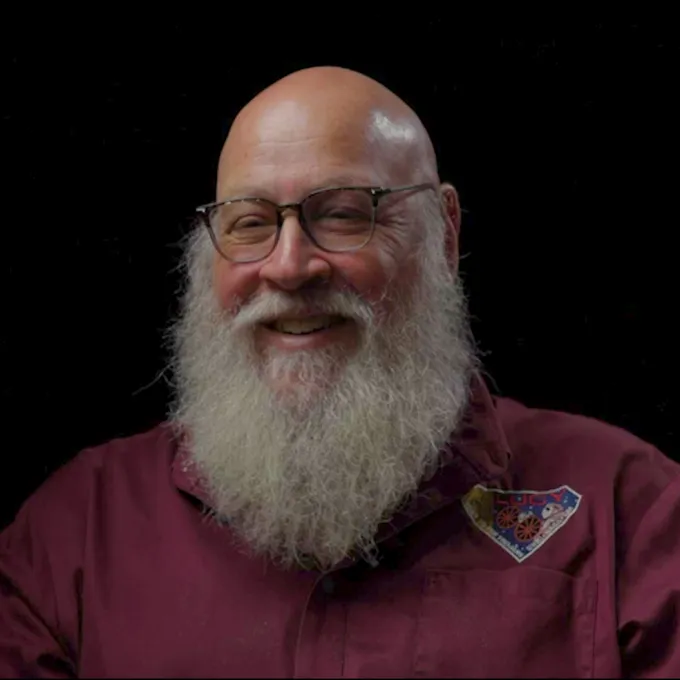
Hal Levison, Institute Scientist at the Southwest Research Institute and the Principal Investigator of the Lucy mission, presented the 2024 Robert M. Walker Distinguished Lectures. The colloquia was titled, "Lucy: The First to the Trojans" and the public lecture was titled, "Traveling with Lucy on the First Ever Mission to the Trojan Asteroids!”

Priyamvada Natarajan, Joseph S. and Sophia S. Fruton Professor in Astronomy & Physics at Yale University, presented the 2025 McDonnell Distinguished Lectures. The colloquia was titled, "New Insights into the Formation of the First Black Holes" and the public lecture was titled, "Unveiling the Invisible Universe with the James Webb Space Telescope."
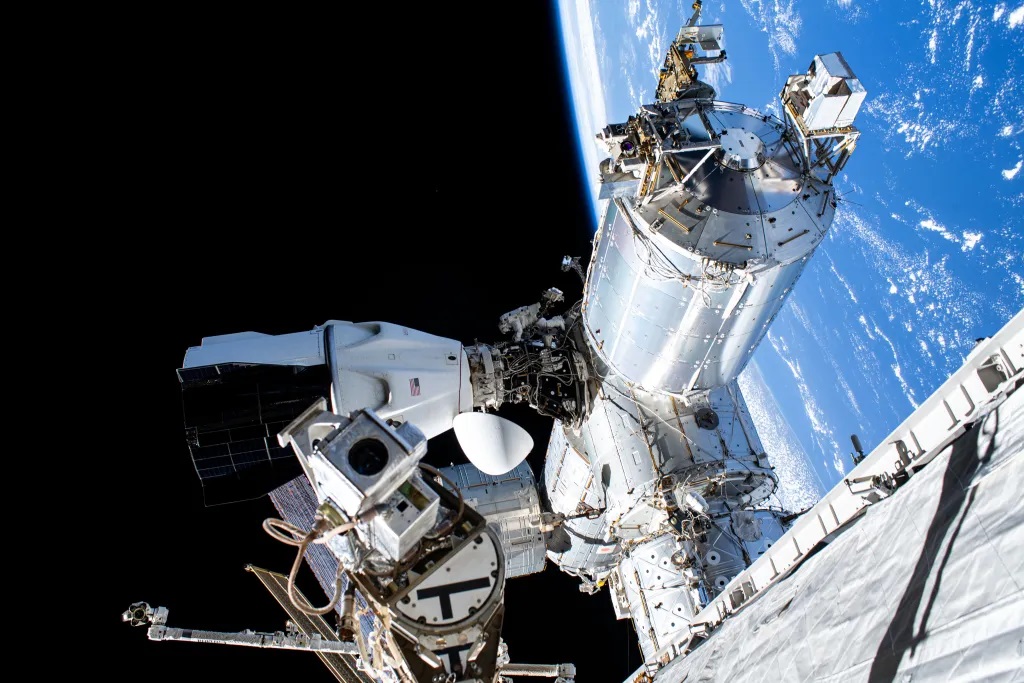
The Trans-Iron Galactic Element Recorder for the International Space Station (TIGERISS) was officially assigned an attachment location on the Columbus laboratory module of the International Space Station (ISS). This location assignment is a milestone...
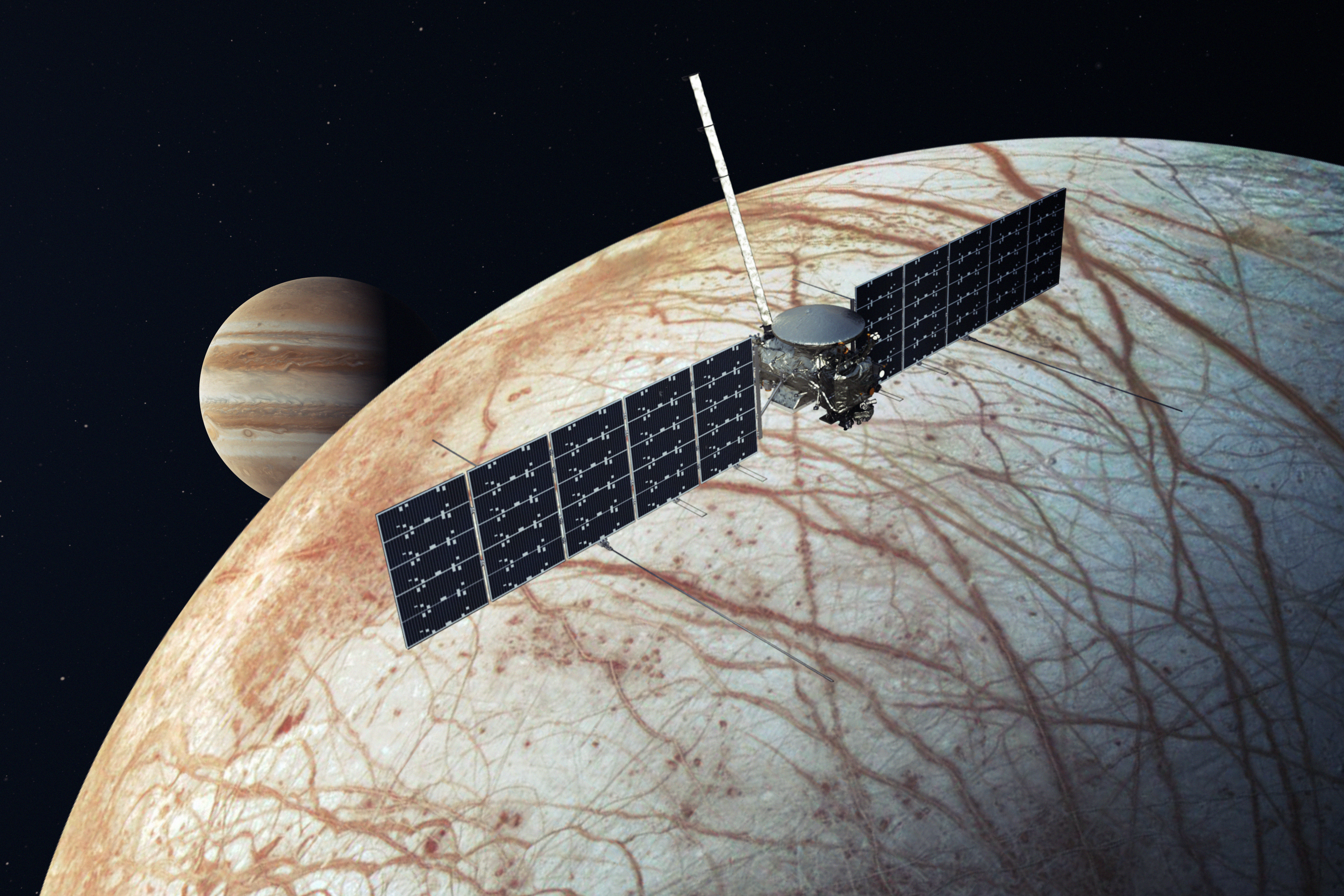
NASA’s Europa Clipper spacecraft launched from Kennedy Space Center in Florida on Monday, Oct. 14. The Europa Clipper mission will conduct a detailed investigation of Jupiter’s moon Europa to determine whether there are places below its icy surface t...

William McKinnon, Clark Way Harrison Distinguished Professor in Arts & Sciences and Professor of Earth, Environmental, and Planetary Sciences, took over as Interim Director of the McDonnell Center for the Space Sciences on July 1, following the retirement of Brad Jolliff.

Dr. Karthik Ramanathan joined Washington University in St. Louis in August 2024 as an assistant professor of physics and faculty fellow in the McDonnell Center for the Space Sciences. His new lab is equipped with state-of-the-art instruments and he is pioneering innovative quantum technology and detection methods to uncover the mysteries of dark matter.
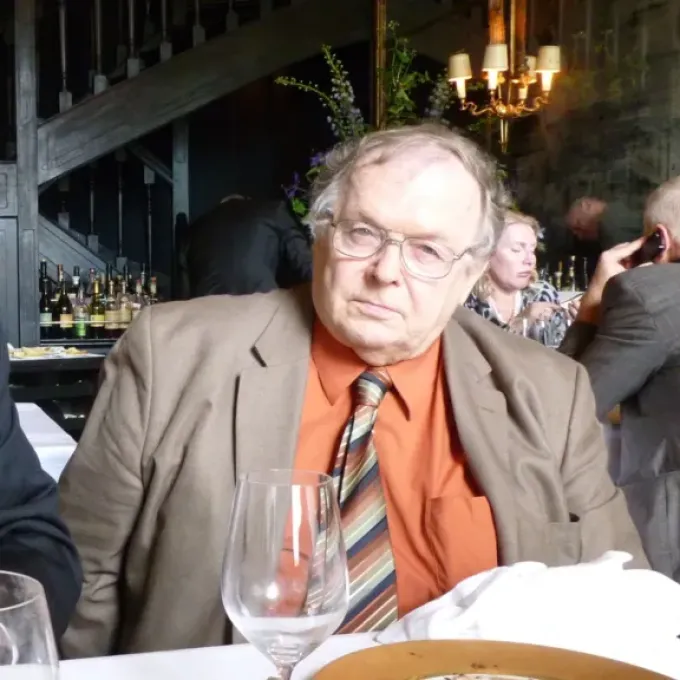
Dr. Frank A. Podosek, Professor Emeritus of Earth, Environmental, and Planetary Sciences at Washington University in St. Louis, passed away on June 8, 2025.

Ally McClure was welcomed as the new Research Development Associate. She now manages pre-award and post-award activities for large space science projects, supported by Arts & Sciences, MCSS, EEPS, and Physics.
Yesterday Field Camp, an Antarctic research outpost (Photo courtesy of Doug Wiens)
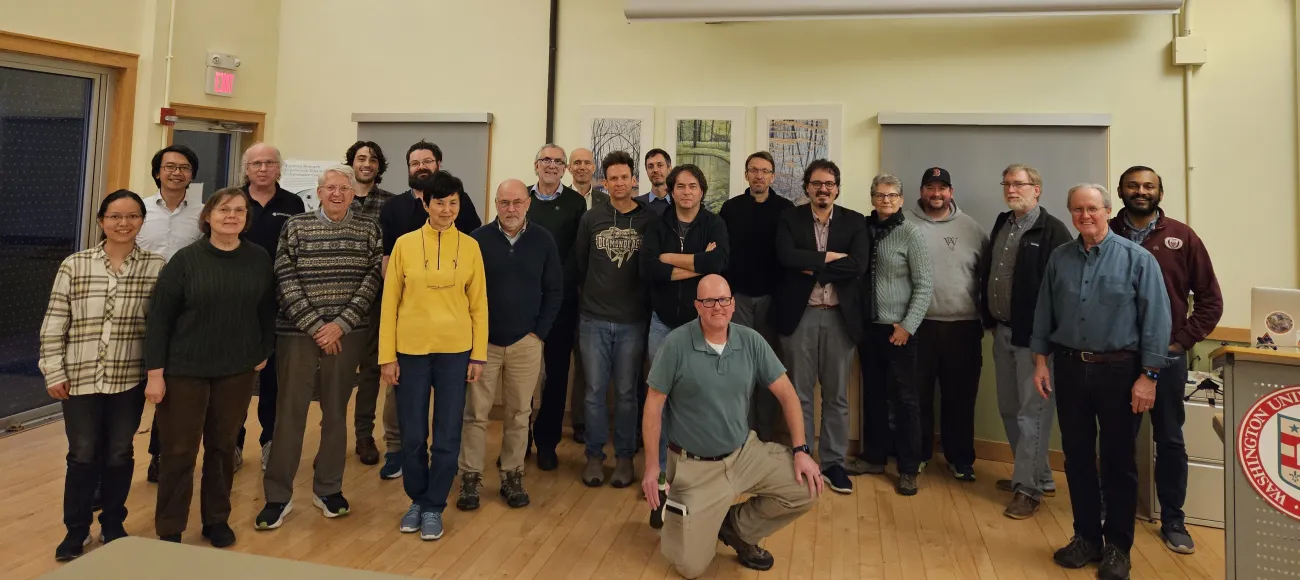
MCSS Fellows Retreat, November 2024
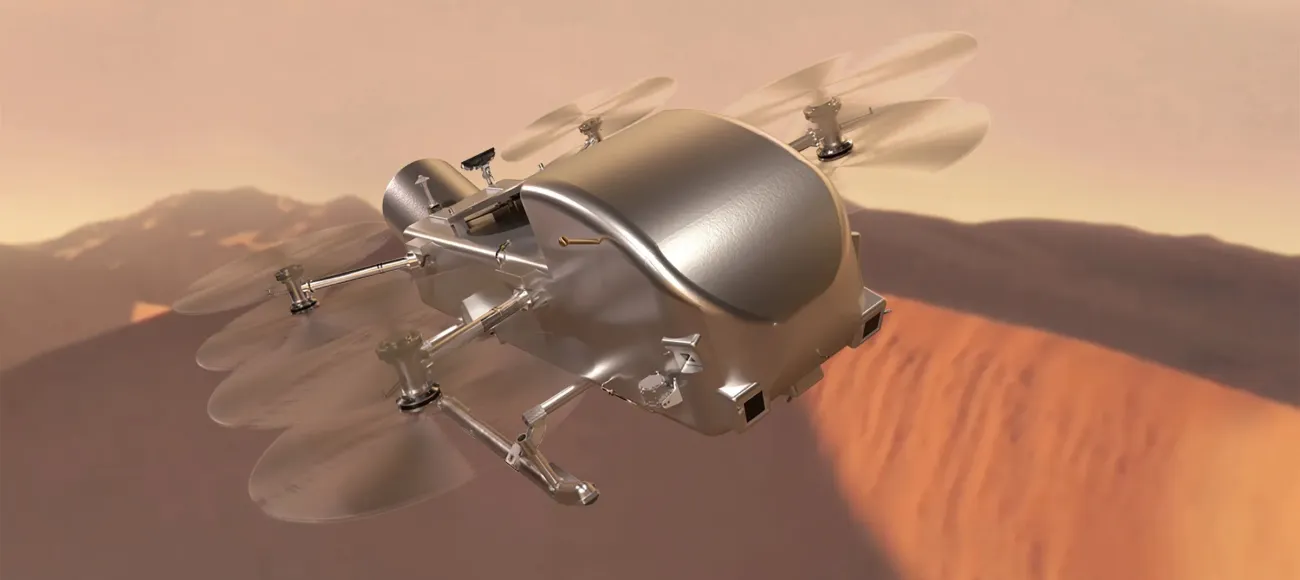
The Analyst's Notebook has been selected as a tool for the upcoming Dragonfly mission
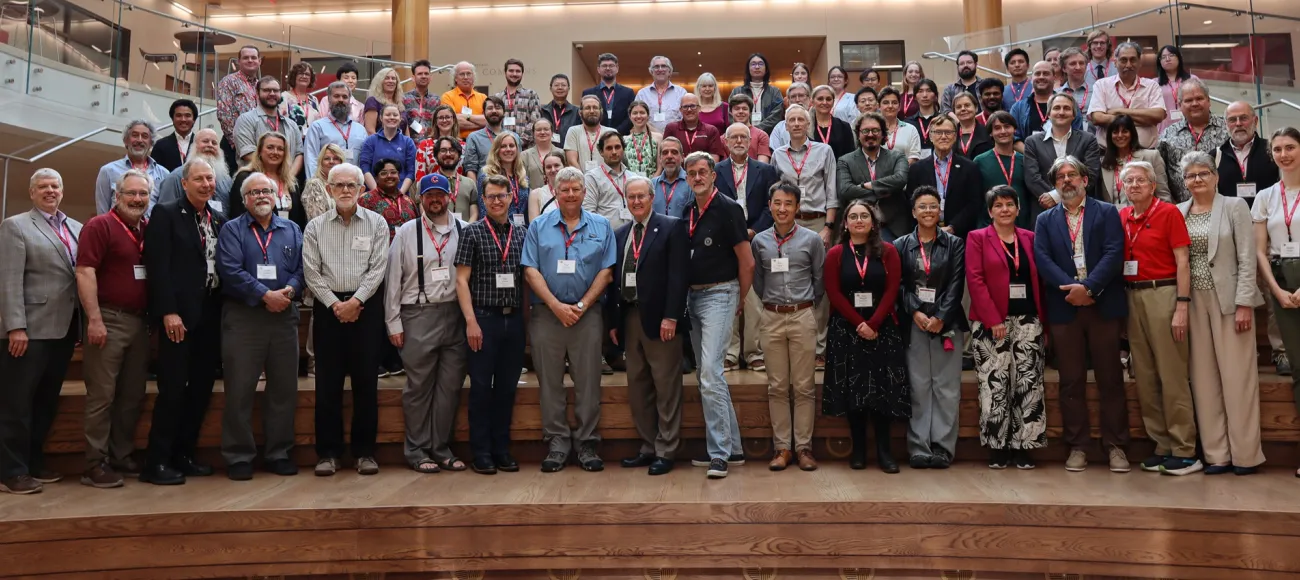
Group photo from the 50th Anniversary Symposium
Professor Emeritus of Earth, Environmental, and Planetary Sciences Bruce Fegley retired in December 2024. He delivered a retirement lecture reflecting on his distinguished career spanning over 50 years in planetary chemistry earlier that month.
Scott Rudolph Professor Emeritus of Earth, Environmental, and Planetary Sciences Brad Jolliff, former director of the McDonnell Center for the Space Sciences, retired in June after 38 years at WashU. His research focused on the geology and materials of the Earth, Moon, and Mars. He studied lunar samples collected by the Apollo missions and lunar meteorites found on Earth.
Professor Emeritus of Physics Michael Ogilvie retired in June after 41 years at WashU. His research interests included particle physics and quantum field theory, extreme QCD, lattice gauge theory, phase transitions, and critical phenomena.
Associate Professor of Earth, Environmental, and Planetary Sciences Rita Parai received the 2024 Dean's Early-Career Research Award. This award recognizes outstanding achievements in research and creative activity by scholars who have recently been awarded tenure.
Associate Professor of Earth, Environmental, and Planetary Sciences Bronwen Konecky received the 2025 Dean's Early-Career Research Award. This award recognizes outstanding achievements in research and creative activity by scholars who have recently been awarded tenure.
Associate Professors Manel Errando has been promoted to Associate Professor of Physics and Bronwen Konecky has been promoted to Associate Professor of Earth, Environmental, and Planetary Sciences, effective July 1, 2025.
Associate Professor of Physics Bhupal Dev was awarded a Humboldt Research Fellowship for experienced researchers from the Alexander von Humboldt Foundation. This fellowship recognizes Dev's contributions to theoretical astroparticle physics.
Research Professor Katharina Lodders and Associate Professor Kun Wang were chosen to be on JAXA’s Ryugu Reference Project (RRP) Measurement Definition Team. The aim for the team is to define the best solar system elemental and isotopic composition using JAXA's returned Ryugu asteroid sample.
Assistant Professor of Physics Tansu Daylan won an Accelerator Award for Open Educational Resources for “Gateway Expeditions into Exoplanets” in the Creation category. The award is designed to support faculty in creating innovative, openly available learning resources that enhance accessibility, affordability, and student engagement.
May 2025



Do you want to know what our alumni have been doing? Would you like to submit an update of your own? Check out our Alumni page!
Alumni News